

Fatty liver disease and uterine inversion are common health concerns in poultry farming. These conditions can have a significant impact on the overall productivity and profitability of poultry operations. However, recent research suggests that incorporating biotin into the diet of poultry can play a crucial role in preventing and managing these conditions.
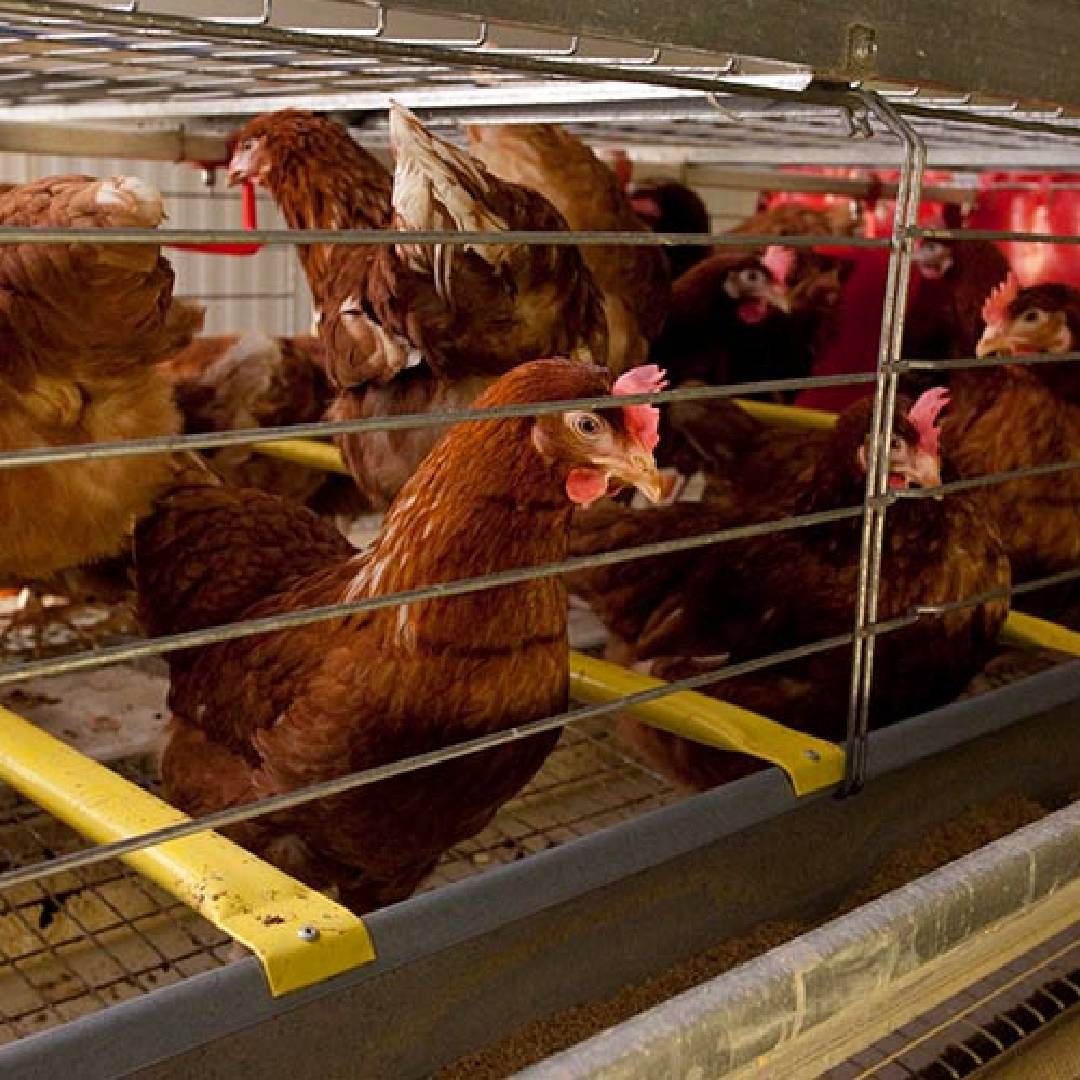
Fatty liver disease, also known as hepatic lipidosis, is a metabolic disorder characterized by an excessive accumulation of fat in the liver. This condition is often associated with an imbalanced diet, high in fat and low in essential nutrients. Biotin, a water-soluble B-vitamin, has been shown to have a beneficial effect on fat metabolism and can help prevent the development of fatty liver in poultry.
Biotin plays a key role in several metabolic pathways, including fatty acid synthesis and oxidation. It acts as a coenzyme in the metabolism of fatty acids, facilitating their breakdown and preventing their accumulation in the liver.
Furthermore, biotin works synergistically with other essential nutrients, such as vitamins E and A, to promote overall liver health. Vitamin E, an antioxidant, protects the liver cells from oxidative stress and inflammation, while vitamin A supports liver regeneration and immune function. Combined with biotin, these vitamins can help maintain a healthy liver and prevent the onset of fatty liver disease.
How To Decrease Chick Deformity?

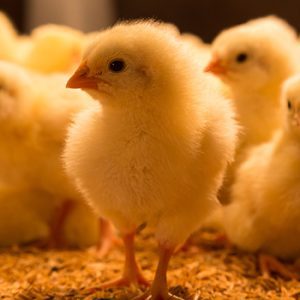
In addition to its role in liver health, biotin also plays a crucial role in the development of chicks. Biotin deficiency during embryonic development can lead to various developmental abnormalities, including defective feather growth, skeletal malformations, and reduced hatchability. By ensuring an adequate supply of biotin in the diet of breeders, poultry producers can support optimal chick development and enhance overall flock performance.
Chick deformities can have detrimental effects on both the welfare of the chicks and the economic viability of poultry farms. These abnormalities can significantly impair the growth, mobility, and overall health of the birds. However, recent research has shed light on the potential benefits of biotin, a water-soluble B-vitamin, in preventing and minimizing chick deformities. This article explores the critical role of biotin in chick development and highlights its effectiveness in reducing deformities.
Biotin and Chick Development:
Biotin plays a crucial role in various physiological processes, including the development and growth of cells, tissues, and organs. For chicks, this B-vitamin is particularly essential during embryonic development as it aids in the formation of the central nervous system, skeleton, feathers, and beak. Biotin also facilitates the metabolism of essential nutrients, ensuring efficient utilization of food for energy and growth.
Chick Deformity and its Impact:
Chick deformities can manifest in various ways, such as leg abnormalities, skeletal malformations, and beak deformities. These abnormalities can lead to reduced mobility, impaired feeding abilities, and susceptibility to injuries and infections. Deformed chicks are often unfit for commercial use, resulting in economic losses for poultry farmers. Therefore, proactive measures to prevent deformities are vital in ensuring the welfare and productivity of chicks.
The Role of Biotin in Preventing Deformities:
Studies have demonstrated that providing biotin supplementation during the embryonic phase significantly reduces the incidence of chick deformities. Biotin’s role in promoting healthy cell proliferation, collagen synthesis, and keratin formation all contribute to preventing skeletal and beak malformations. This vitamin helps maintain the structural integrity of tissues and organs, ensuring adequate growth and development of the chicks.